When extreme weather hits, the union difference saves lives

Photo: Getty Images
When extreme weather hits, the union difference saves lives
By AFSCME Staff ·
Tags: Our Stories

Joe Estes didn’t hesitate when the call came in.

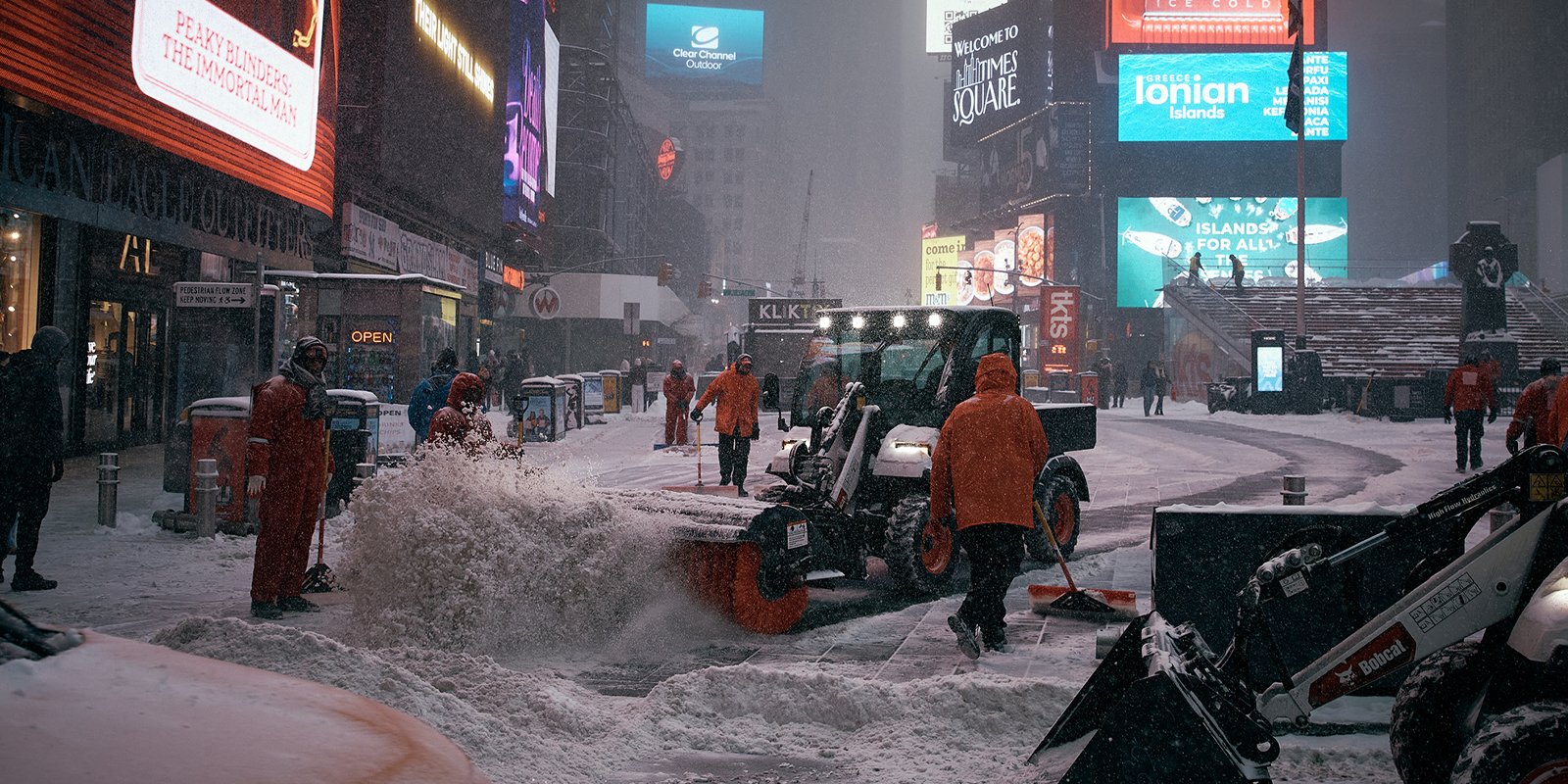
In the middle of January’s massive winter storm, a baby needed to be transported to Cincinnati Children’s Hospital and an ambulance couldn’t get through the snow on its own. Estes, a highway technician for the Ohio Department of Transportation, was asked to drive his snowplow ahead of the ambulance and clear a path through the storm.


“If it wasn’t critical, it could have waited a day. Obviously, it’s got to go now and they cannot wait.”

Estes is a member of OCSEA/AFSCME Local 11. Like many AFSCME members, he takes pride in serving his community. That night, his training, experience, and commitment weren’t just helpful — they may have saved a life.

Estes will be the first to credit the medical team for saving the baby’s life. But without a clear road in the middle of a historic storm, the ambulance never would have made it there.

For public service workers across the country, this moment wasn’t extraordinary. It was familiar.

When the stakes are highest, communities rely on public service workers to show up and get the job done. And time and again, AFSCME workers deliver.

Because union jobs aren’t just about pay and benefits. They’re about training, standards, accountability, and doing the job right when it matters most.

That’s why, in moments of crisis, people don’t ask for just any worker.

They call on AFSCME.
If we rely on workers in extreme weather, we have to protect them


That union difference isn’t just about the lives impacted by the essential workers who are protecting their communities. It’s also about making sure those workers who do that job get home safe and healthy at the end of the day, too.

From record-breaking heat to flash floods to increasingly volatile winter storms, extreme weather is no longer an occasional disruption. For AFSCME members, it’s part of the job.

Sanitation workers collapse from heat exhaustion during summer routes that now regularly exceed 100 degrees. Road crews face floodwaters that can sweep away equipment in minutes. Parks and recreation employees work through heat advisories and deep freezes to keep public spaces open and safe.

And as extreme weather becomes more frequent and more dangerous, one thing is clear: workers shouldn’t be left to absorb that risk alone.

Image

Doing your job shouldn’t mean gambling with your health or safety

Photo

Public service workers show up — in snow storms, in heat waves, in hurricanes. But too often, employers treat extreme weather as a test of toughness instead of a workplace hazard that requires real protections.

Without a union, that can mean:

  • no guaranteed rest breaks
  • no cooling or warming stations
  • no protective equipment
  • no clear emergency protocols
  • and no say in whether conditions are safe

These things are need-to-haves, not nice-to-haves. With a union, those protections become rights — not favors.

The union difference shows up where it matters most

Across the country, AFSCME members are using collective power to turn extreme weather from an unmanaged danger into something workers are prepared for, protected against, and fairly compensated for.

That work happens at the bargaining table — and beyond it.

In Aberdeen, South Dakota, sanitation workers in AFSCME Local 162 negotiated a $1-per-hour bonus for emergency snow removal and won contract language requiring the city to provide proper protective clothing and equipment. As Bill Feiock, a sanitation worker and union member, put it:

“Working in severe cold isn’t optional, and it shouldn’t come out of workers’ pockets. Putting it in the contract makes it a right instead of a favor.”

Bill Feiock Sanitation worker and AFSCME Local 162 Member

In Miami-Dade County, Florida, AFSCME members negotiated hurricane preparedness language that ensures workers required to stay on the job have time to secure their families and homes before a storm hits. In Massachusetts and Illinois, AFSCME members have won additional pay, staffing, and equipment during extreme snow, heat, and ice events.

But the union difference doesn’t stop at individual contracts.

At the state and federal level, AFSCME is fighting to make sure worker safety isn’t optional, no matter where you work. Our union has been a leading voice pushing for enforceable heat standards through OSHA, so workers aren’t left to rely on employer goodwill when temperatures become dangerous. AFSCME is also pressing state and local governments to develop comprehensive extreme-weather response plans that prioritize worker safety alongside public service continuity.

That matters because without clear standards and enforceable rules, workers are too often expected to “tough it out” when conditions become unsafe. With a union, safety isn’t left to chance — it’s built into contracts, laws, and public policy.

These protections didn’t appear on their own. They exist because workers organized, bargained, and demanded more.

Standing together to demand more

Extreme weather is reshaping public service work in real time. But AFSCME members aren’t waiting for someone else to fix it.

They’re organizing.
They’re bargaining.
They’re demanding protections that match the reality of the job.

Because when the storm hits, collective action is what keeps workers safe.

That’s the union difference.

Related Posts